MDSA undertake inspections and prepare reports for the insurance industry.
|
Causation Reports |
Repair Audits |
Scopes of Work |
Estimates |
|
|
Audit reports are prepared on work undertaken by the insurance company builders for compliance with codes of practice,
Australian standards and the building code of Australia. |
Scopes of work are prepared as “industry standard” stand-alone documents for builders and estimators to submit tender prices. |
 Preparation of detailed estimates for the works outlined in the scope of work documents. |
Common Issues found during inspections for Causation Reports and Repair Audits
(there are many others - these are just a few)
| water proofing |
water proofing under tiles in bathrooms has failed causing water to leak into lower areas causing damage to ceilings, flooring, joists and bearers. |
| Mould |
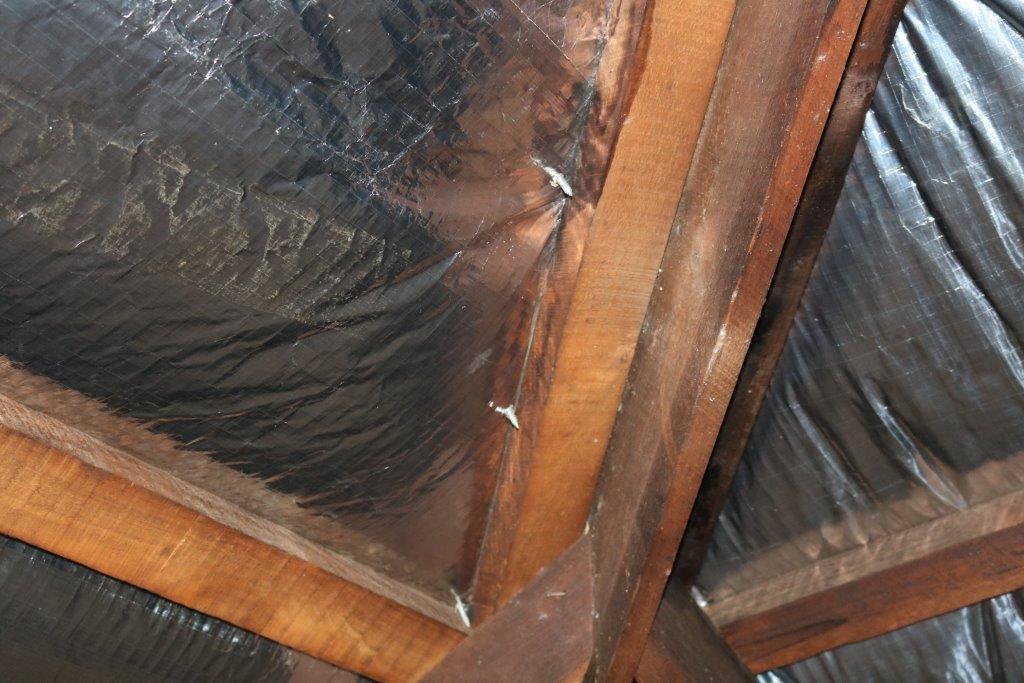
Ingress of moisture into roof spaces causing mould on walls and ceilngs Ground levels higher than floor levels without or failed water proofing membranes on the wall causing a high concentrations of moisture in the wall cavity Failure of gutters to convey water, causing backflow over fascias into the wall cavity/roof space. |
| Retaining Walls |
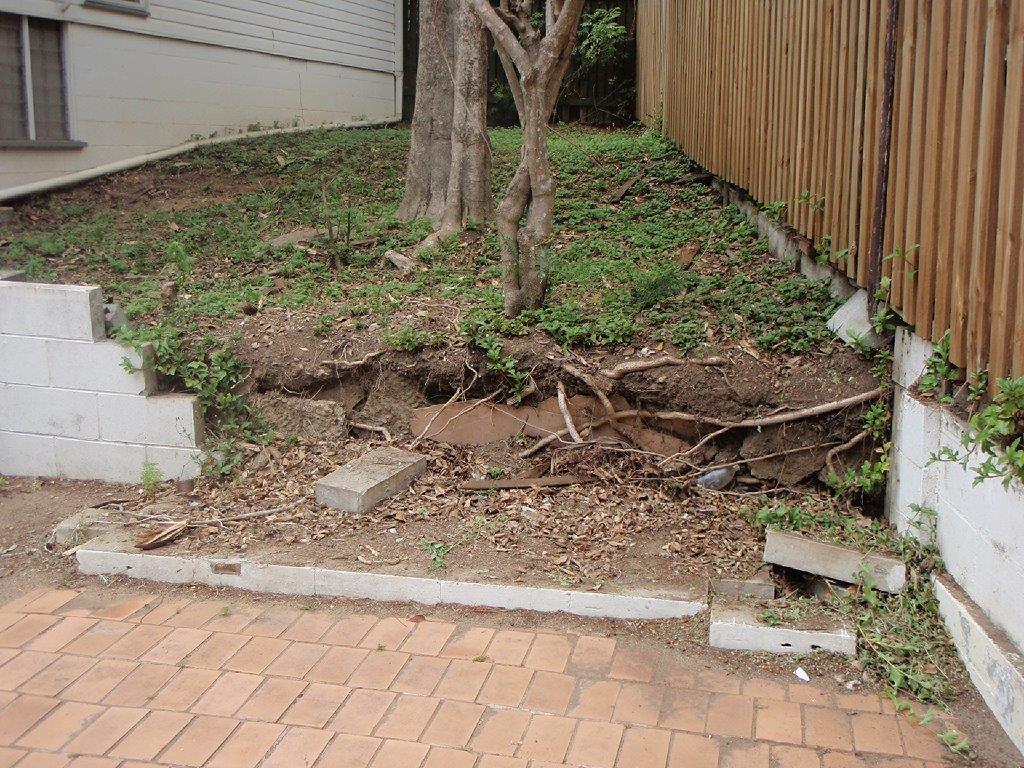
Structurally inadequate Ground bearing failure Inadequate drainage behind wall |
| Subsidence and heaving |
Structurally inadequate Ground bearing failure Inadequate drainage around perimeter Leaking drainage pipes Incorrect site classification of soil |
| Floating floors |
Compression of the panels Mould in the timber Blistering of varnish coating Insufficent expansion gaps to perimeter of flooring Insufficent control joints across large floor systems Mould through flooring from rising damp Inadequate or failure of the water proof membrane under the floor Ingress of water under the floor. |
|
Cracked masonry |
Subsidence or heaving Length of walls to long without control joints |
|
Roofing |
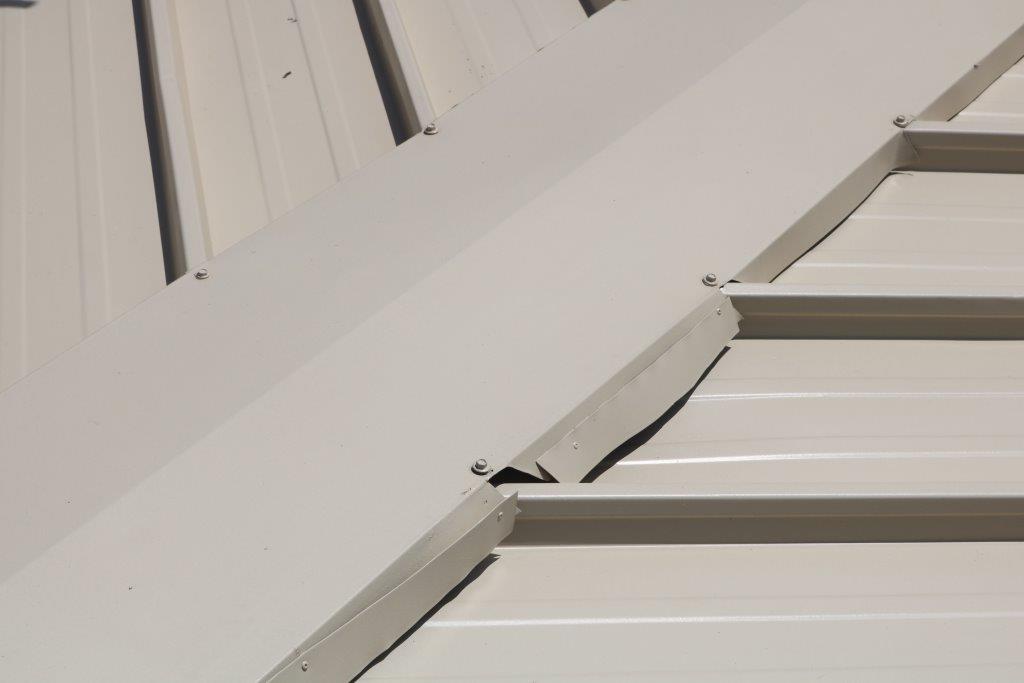
Washers not installed under screws Inadequate slope on the roof for the profile installed Washers under screws dont seal to the roof sheeting Screws overtightened causing depression of the sheeting and eventually corrosion Inadequate sealant at flashings Holes in roofing Penetrations through sheeting not sealed Corrosion of the roof sheeting-age, lack of maintenance Flashing not fitting to roof profile adequately Screws not fixing to supports |